SEO honestly doesn’t work the way it used to. A few years ago, ranking a website felt much simpler. You could write a blog around a keyword, build some backlinks, and slowly start seeing traffic. But now things are changing very fast.
Google is showing AI answers directly inside search results, users are clicking less, and thousands of AI-generated blogs are getting published every single day. Because of that, search engines are becoming more selective about what they rank.
And to be honest, people are also tired of reading blogs that sound robotic.
That’s why marketers who are doing well in 2026 are focusing more on useful, natural content instead of overly optimized articles written only for search engines.
- Optimize for AI Overviews, not just the blue links
Google’s AI summaries are now taking a lot of space in search results. Sometimes users get their answer without even opening a website. At first this worried many marketers, but websites are still getting visibility when their content is clear and genuinely useful.
One thing that’s helping a lot is writing in a straightforward way.
Instead of trying to sound overly professional, content works better when it explains things simply. Blogs that answer questions directly usually have a better chance of appearing inside AI results.
Adding FAQs also helps because people search in question format more than ever now.
- Build topic clusters, retire standalone blog posts Random blog posting doesn’t work as well anymore.
Google now tries to understand whether a website actually knows a topic deeply or is just publishing articles for traffic.
For example, if your website is about SEO, it makes more sense to cover related topics consistently:
- Technical SEO
- Local SEO
- Content SEO
- Link building
- Website optimization
- AI search trends
When all these topics connect together naturally, your website starts building authority over time.
This is why topic-based websites are performing better than websites posting unrelated content every day.
- E-E-A-T is now a cross-team responsibility Trust matters much more now than most people realize.
Google wants to rank websites that feel real and reliable. You can actually notice this after major updates — websites with proper branding, real author profiles, and genuine expertise usually survive much better.
At the same time, generic AI-written content with no personality is becoming easier to spot.
Even simple things help:
- real author names,
- updated information,
- personal observations,
- original examples,
- and clear business details.
People connect more with content that feels human instead of perfectly polished.
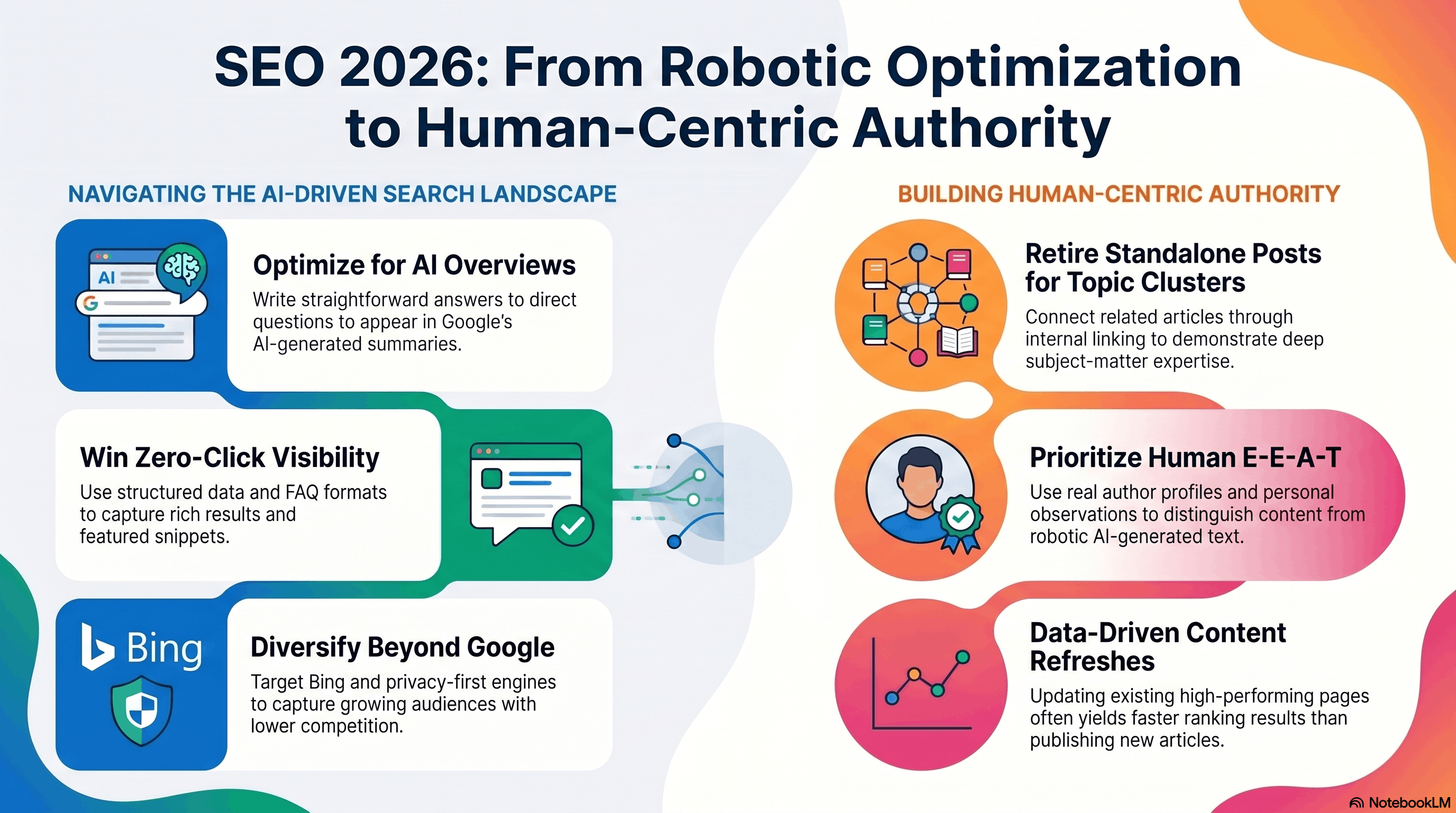
- Optimize beyond Google — Bing and privacy-first engines are growing
Most marketers only think about Google, but other search engines are slowly growing too.
Bing has improved a lot recently, especially with AI integration, and some users are moving toward privacy-focused search engines as well.
The good part is that competition there is usually lower. Basic SEO practices still help:
- fast website speed
- Proper headings,
- Quality backlinks,
- Structured content.
A lot of businesses completely ignore these platforms, which creates opportunities for others.
- Win zero-click SERPs with structured data and rich results Search results today are very different compared to before.
Now users see:
- featured snippets,
- FAQs,
- People Also Ask sections,
- AI summaries,
- and other rich results.
Even if users don’t click immediately, appearing in these sections still builds visibility and trust.
That’s why structured formatting matters more now.
Content that is easy to scan usually performs better because both users and search engines prefer it.
- Let data drive every decision — and act on it fast
One mistake many websites make is publishing content and then never touching it again.
But content performance changes all the time.
Sometimes an older article only needs small improvements to start performing again:
- better headings,
- updated examples,
- internal links,
- improved readability,
- or refreshed information.
Honestly, updating existing pages often works faster than writing completely new blogs every day.
Final Thoughts
SEO in 2026 feels less technical and more human.
Search engines are getting better at understanding content quality, and users are becoming better at recognizing blogs written only to rank.
The websites performing best right now are usually the ones creating useful content consistently, improving user experience, and building trust slowly over time.
Shortcuts may still work temporarily, but genuinely helpful content lasts much longer.
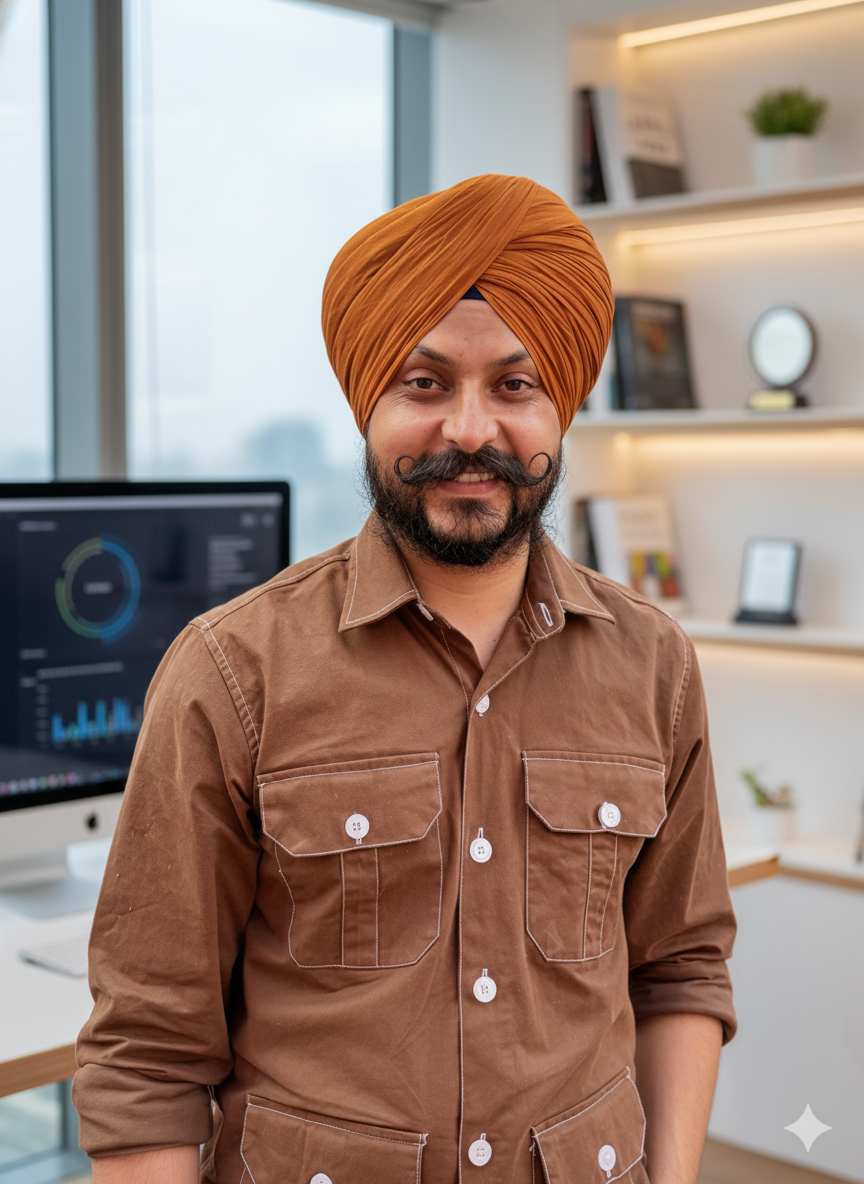
I am Harjinder Singh, Founder & Coach at Top Rank Master with 11+ years of digital marketing experience. I have worked with leading agencies and helped scale multiple brands through SEO, PPC, and performance marketing.
I run Top Rank Master, where I train students and professionals through practical, industry-focused coaching with 100% placement support. I am passionate about helping college students start strong careers and guiding agencies to achieve measurable growth.
Let’s connect if you want to learn digital marketing or grow your business.