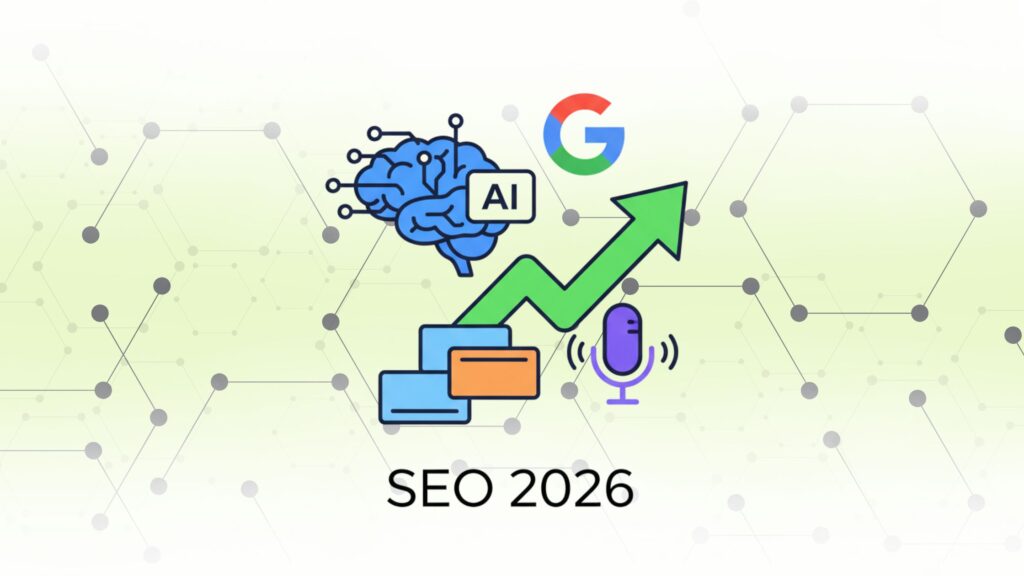
The current 2026 SEO no longer relates to keywords and backlinks. This has become more than ever the relevance, experience, and user-understandable structure of content has become the drivers of Google algorithms based on artificial intelligence, intent, and trust. With the development of search based on AI-generated results, featured snippets, and conversational query, you must change your SEO strategy to remain competitive.
Understanding Semantic SEO in 2026
Semantic SEO is based on connotation but not on exact-match words. Rather than a single keyword, Google currently looks at the extent of the answer to a topic that your content provides. In the year 2026, search engines will examine context, synonyms, entities and user intent to decide on relevance. Production of thorough content that automatically addresses similar ideas is known to guide Google on what you are well-versed in and the visibility of the material in various search requests. Semantic relevance is enhanced by the use of simple language, responses to frequent questions and the discussion of subtopics in a comprehensive manner.
Schema Markup Matters More Than Ever
Schema markup helps search engines interpret your content accurately by providing structured data. In 2026, schema plays a critical role in enhancing search appearance through rich results like FAQs, reviews, breadcrumbs, and AI summaries. Implementing schema markup increases your chances of appearing in zero-click searches and AI-generated answers. When your content is well-structured with proper schema, Google can trust and display your information more confidently across search features.
Strengthening SEO with Smart Internal Linking
The internal linking is a strong but not popularized form of SEO. Google (2026) relies on internal connections to comprehend the arrangement of the site, the hierarchy of content, and the topical authority of the site. Connecting similar pages serves to spread around the link equity, and enhances the crawling performance. More to the point, it improves user experience as it takes visitors to the pertinent information. Strategic internal connection with descriptive anchor text assists the search engines and users to move around your site with easy and spend more time on site.
Optimize for AI & Chatbots to Capture Future Traffic
Search behavior has shifted significantly with the rise of AI assistants, chatbots, and voice search. Optimizing for AI means creating content that directly answers questions in a clear, conversational format. Short paragraphs, bullet points, and well-structured FAQs help AI systems extract accurate responses. In 2026, content that is easy to summarize and factually precise is more likely to be featured in AI-powered search results, increasing brand visibility even without traditional clicks.
EEAT: The Foundation of Trust-Based SEO
EEAT – Experience, Expertise, Authoritativeness, and Trustworthiness – is a core ranking factor in 2026. Google prioritizes content created by knowledgeable sources with real-world experience. Demonstrating EEAT involves showcasing author credentials, citing reliable sources, maintaining accurate information, and providing transparent business details. Trust signals such as secure websites, clear contact information, and positive user reviews further strengthen credibility. High EEAT content consistently outperforms generic or AI-generated-only pages.
Conclusion
Improving SEO for Google ranking in 2026 requires a shift from outdated tactics to user-focused, AI-driven strategies. By embracing semantic SEO, implementing schema markup, strengthening internal linking, optimizing for AI and chatbots, and building strong EEAT signals, businesses can future-proof their online presence. As search engines increasingly rely on generative AI SEO to deliver instant, accurate answers, content that is trustworthy, well-structured, and experience-driven will stand out. The key to long-term success is focusing on quality, relevance, and credibility, because Google’s ultimate goal remains delivering the best possible answers to users.
FAQs
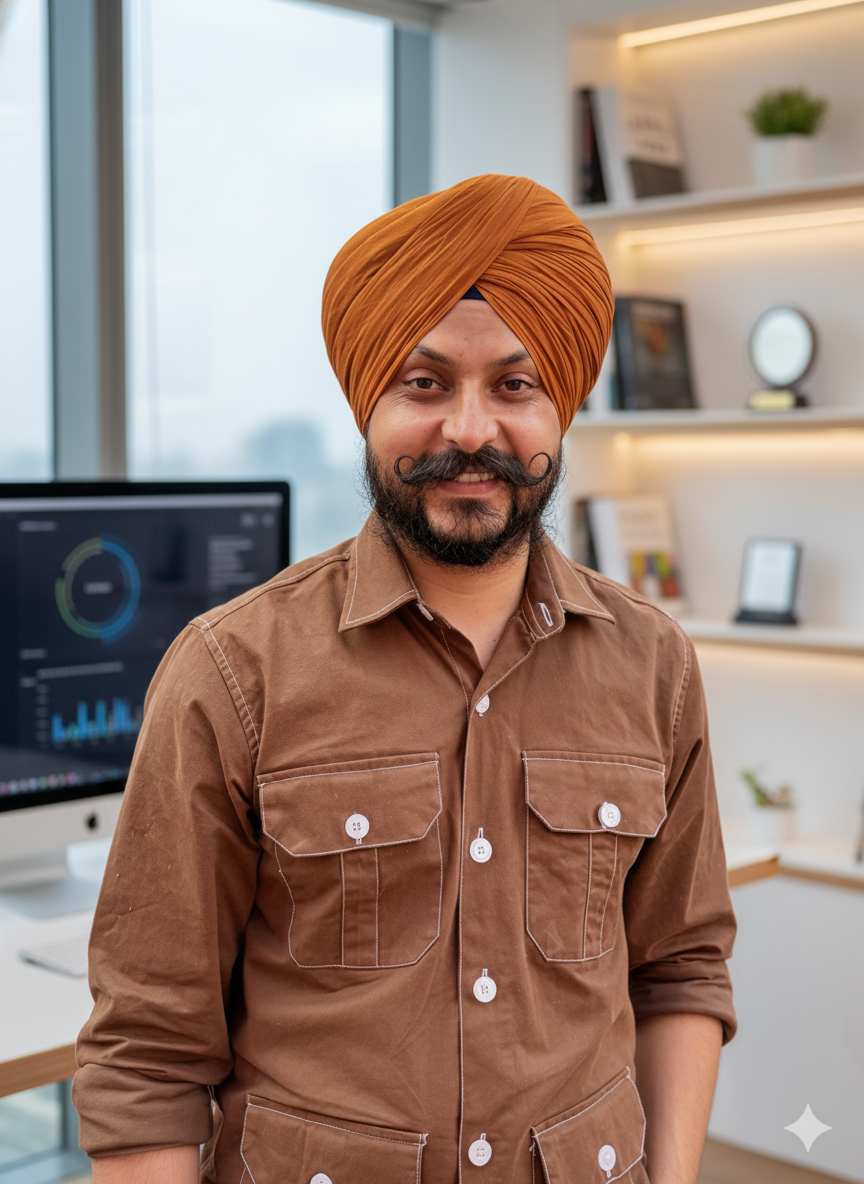
I am Harjinder Singh, Founder & Coach at Top Rank Master with 11+ years of digital marketing experience. I have worked with leading agencies and helped scale multiple brands through SEO, PPC, and performance marketing.
I run Top Rank Master, where I train students and professionals through practical, industry-focused coaching with 100% placement support. I am passionate about helping college students start strong careers and guiding agencies to achieve measurable growth.
Let’s connect if you want to learn digital marketing or grow your business.