Is your seo strategy ready?
For years, SEO was quiet easy.
You searched something on google, got a page full of ten blue links, clicked one, and found your answer. that was the game. rank in those top spots and traffic followed.
Not anymore.
Search is changing fast. AI-generated answers, featured snippets, people also ask boxes, videos, images, product carousels, local packs. with so much information appearing at the top of the page many users find without scrolling to the traditional organic results.
This shift is also giving rise to a new discipline called Generative Engine Optimization (GEO), which focuses on helping brands become visible in AI-generated answers, AI Overviews, and next-generation search experiences.
What Was the 10 Blue Links Era?
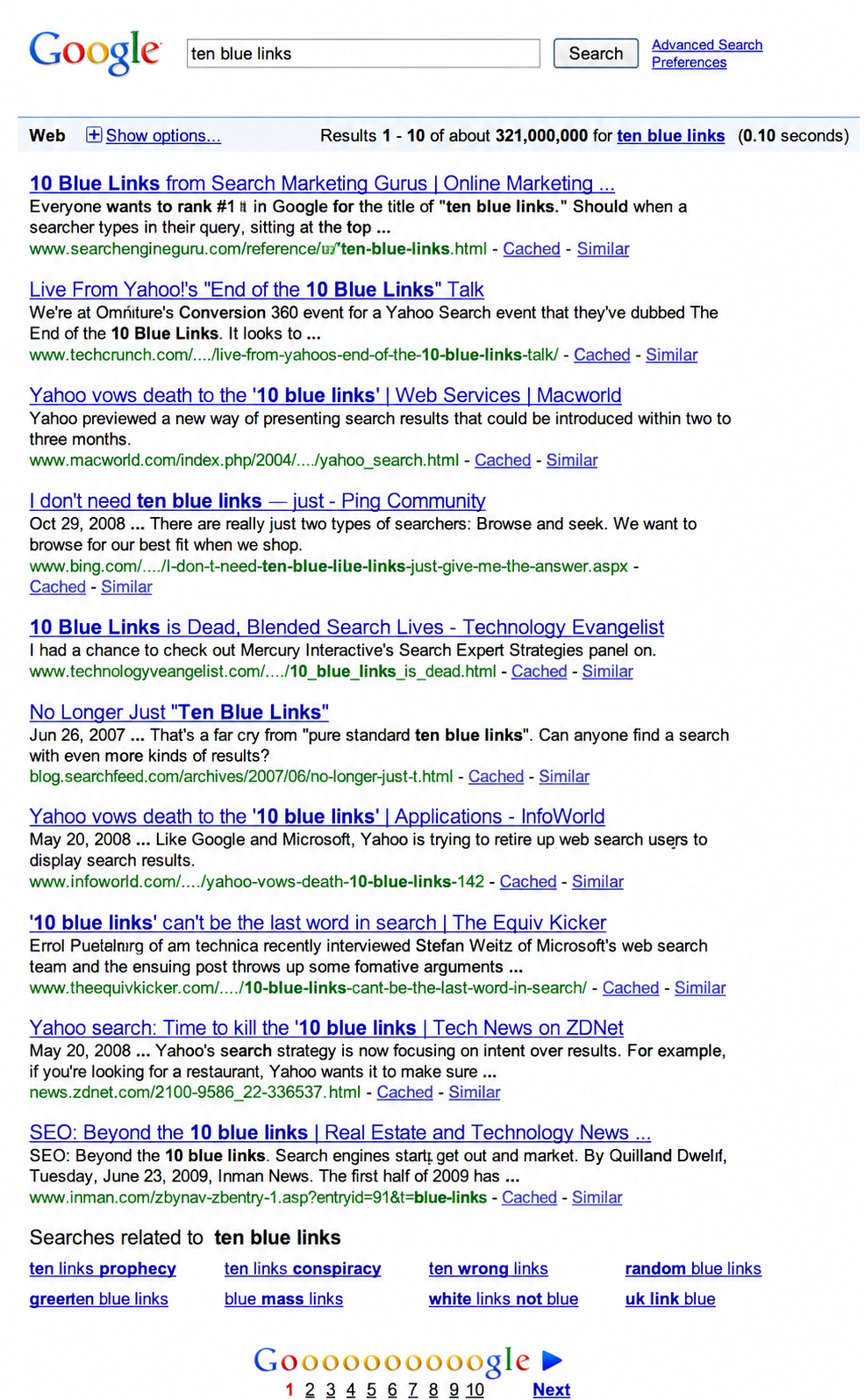
The 10 blue links era refers to the traditional Google search results page where users mainly saw ten organic website listings.
Back then, SEO was focused on a few core things:
* Keyword optimization
* Backlinks
* Meta tags
* Content creation
* SEO basics
If you ranked in the top 10 organic results, chances were good that get traffic. Simple.
Today? Not too much.
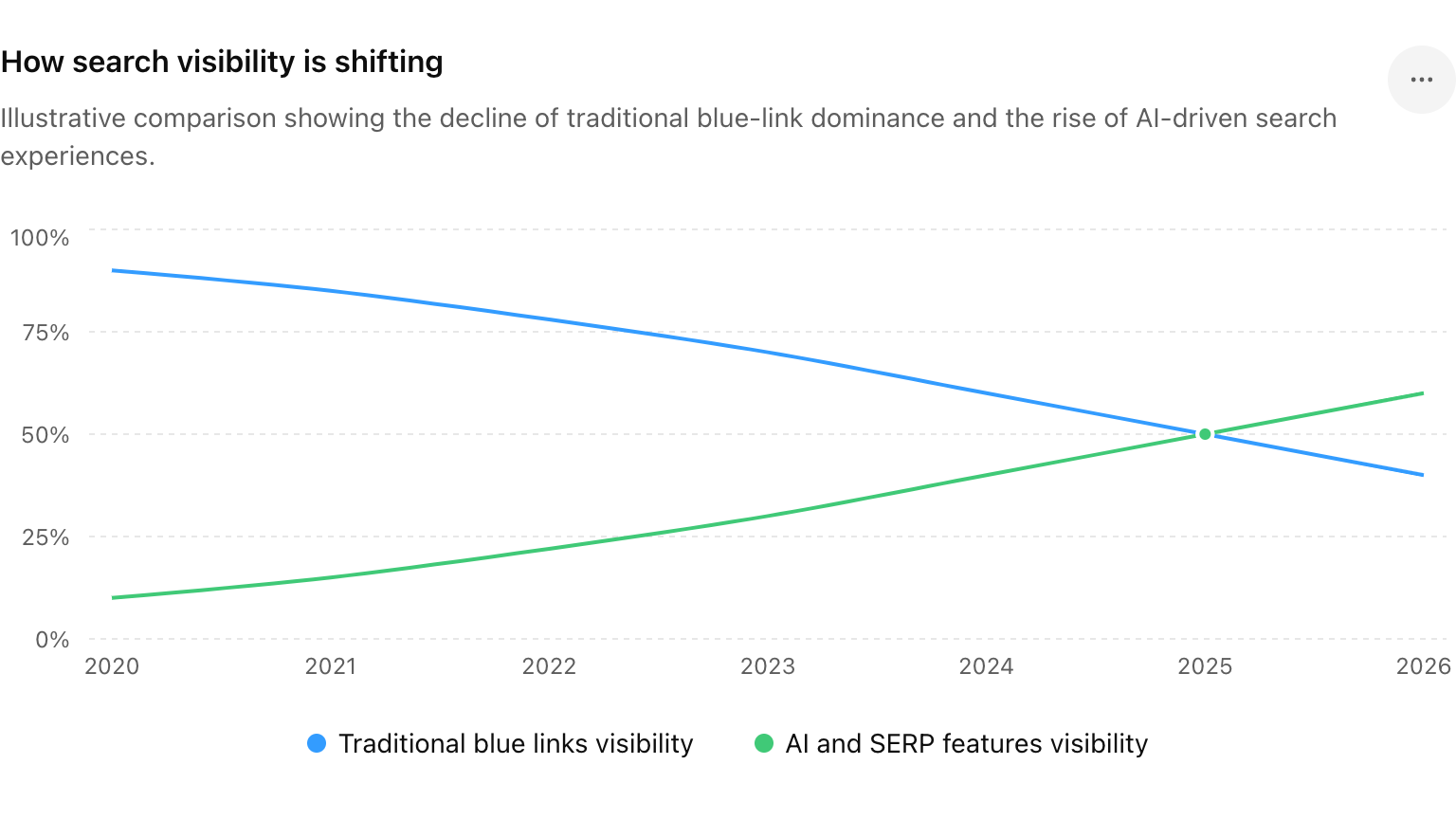
A search result can now contain AI summaries, videos,faqs, maps, shopping results, featured snippets and other SERP features before users ever see a traditional organic. That is a huge shift.
How Do the 10 Blue Links affect the SEO ranking?
A lot of people ask, how do the 10 blue link affect the SEO rank?
The short answer still matter.
Organic rankings remain one of the strongest indicators of relevance. Google still depend upon traditional ranking signals to determine which content deserves visibility.
But ranking 1 doesn’t automatically mean getting the majority of clicks anymore.
If an AI answer, featured snippet, or local pack appears above your result, user attention gets split.
That’s why modern SEO strategy isn’t just about rankings. It’s about visibility across the entire search experience.
The businesses winning today are successful for multiple search features, not just blue links.
Why traditional SEO strategy alone is no longer enough
Let be real.
Many companies still using seo methods from five or ten years ago.
They publish a blog post, add keywords, and hope for the best.
The problem? Search engines have evolved.
Google now wants to content that demonstrates expertise, authority, trust and usefulness. AI-powered search experiences are pushing websites to create , more comprehensive content that actually solves problems.
A successful SEO strategy today combines:
* High-quality content
* Technical optimization
* Brand authority
* User experience
* Entity building
* Search intent alignment
Miss one of these areas and rankings can suffer.
What are the best SEO strategy to increase traffic with multiple blue links?
This is probably the question most businesses should be asking.
What are the best SEO strategy to increase organic traffic with multiple blue links appearing less often?
The answer isn’t a single tactic.
It’s a complete approach.
Create Content Around Search Intent
Keywords still matter.
But understanding why someone searches matters even more.
When users search for information, they want answers. When they search for products, they want solutions. Your content should match that intent exactly.
Build content Authority
Google reward websites that cover a topic in deep.
Instead of publishing random articles, create related content that establish expertise in your niche.
compounds over time.
improve Featured Snippets
Featured snippets often appear above traditional ranking.
Structure content with clear answers, concise explanations, numbered lists, and faqs sections.
Give Google content that is easy to extract.
Strengthen Technical SEO
A slow website hurts rankings.
Poor mobile usability hurts rankings.
Broken pages hurt rankings.
Technical SEO remains one of the important part of every successful SEO strategy. Focus on Brand Signals
Brand people trust perform better in search.
Mentions, reviews and overall reputation help search engines understand credibility. The stronger your brand becomes the stronger your SEO often gets .
What are the fundamental principle for ranking in the top 10 search results?
While Google is algorithm uses hundreds of signals, the fundamentals haven’t really changed.
Relevance
Your content must answer the search query better than competitors.
Authority
Google wants evidence that your website deserves trust.
This often comes through backlinks, citations, expertise and brand recognition.
* User Experience
* Fast loading times.
* Easy navigation.
* Mobile-friendly design.
These aren’t optional anymore.
Content Quality
Thin content struggles.
Helpful content wins.
The goal is not to write more. It is use create content that genuinely helps users solve problems.
Consistency
SEO is not a one time project.
It is an ongoing process.
The websites dominating search results today usually spent years building authority and refining their strategy.
The Future of SEO Is Bigger Than Rankings
Here’s where many businesses get stuck.
They obsess over rankings.
Rankings matter, sure. But visibility matters more.
A modern SEO strategy focuses on appearing wherever users search for information. Traditional search results. AI search summaries. Featured snippets. Video results. Local listings.
The companies that adapt will continue growing organic traffic.
The ones that don’t may find themselves wondering why rankings no longer produce the same results they once did.
Will AI Replace SEO?
Not at all. In fact, AI is making SEO more important than ever. Search engines still need reliable sources to generate answers, and that information has to come from somewhere. Businesses that publish useful content, build trust, and demonstrate expertise will continue to benefit from search visibility. What is changing is the way people find information. Instead of clicking through multiple websites, users are increasingly getting answers directly from AI-powered search features. That’s why modern businesses need to think beyond rankings and focus on becoming a trusted source that both search engines and AI systems can understand, reference, and recommend.
Final thoughts
The 10 blue links era built the foundation of modern SEO .But search has moved on. Today’s search results are dynamic, crowded, and increasingly driven by AI-powered experiences.
The businesses that thrive will be the ones that adapt their SEO strategy to match how people search today, not how they searched ten years ago.
If you are still depend on old tactics alone, now is the time to rethink your approach. Visit Top Rank Master for the best SEO strategy, expert guidance, and proven solutions designed to increase organic traffic, improve search visibility, and help your business stay ahead of the future of search.
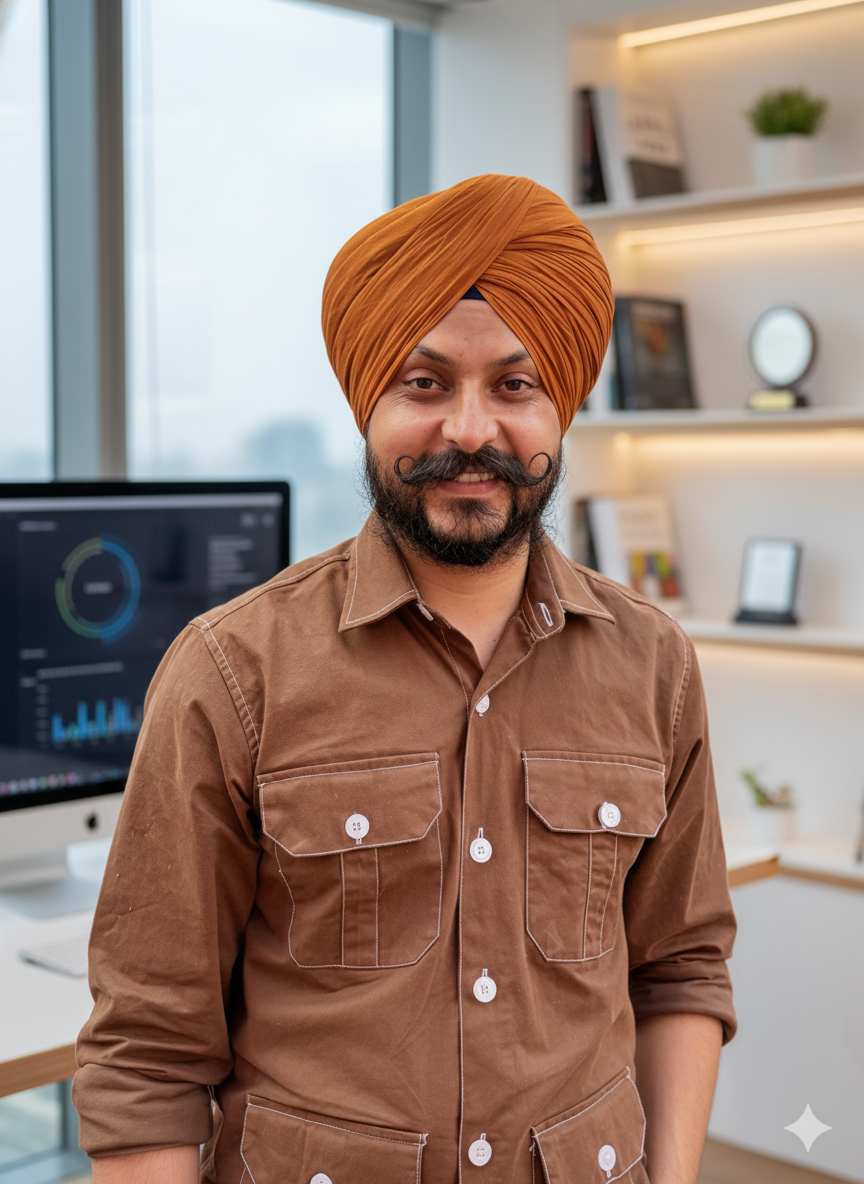
I am Harjinder Singh, Founder & Coach at Top Rank Master with 11+ years of digital marketing experience. I have worked with leading agencies and helped scale multiple brands through SEO, PPC, and performance marketing.
I run Top Rank Master, where I train students and professionals through practical, industry-focused coaching with 100% placement support. I am passionate about helping college students start strong careers and guiding agencies to achieve measurable growth.
Let’s connect if you want to learn digital marketing or grow your business.