AI search engines are redefining how online content is discovered and ranked. Unlike traditional search engines that focused mainly on keywords and backlinks, modern AI-driven systems evaluate meaning, context, and usefulness. This means content must be written for people first, while still being easy for machines to understand.
Optimizing for AI search engines is not about gaming the algorithm. It’s about creating well-structured, relevant, and genuinely helpful content.
How AI Search Engines Understand Content
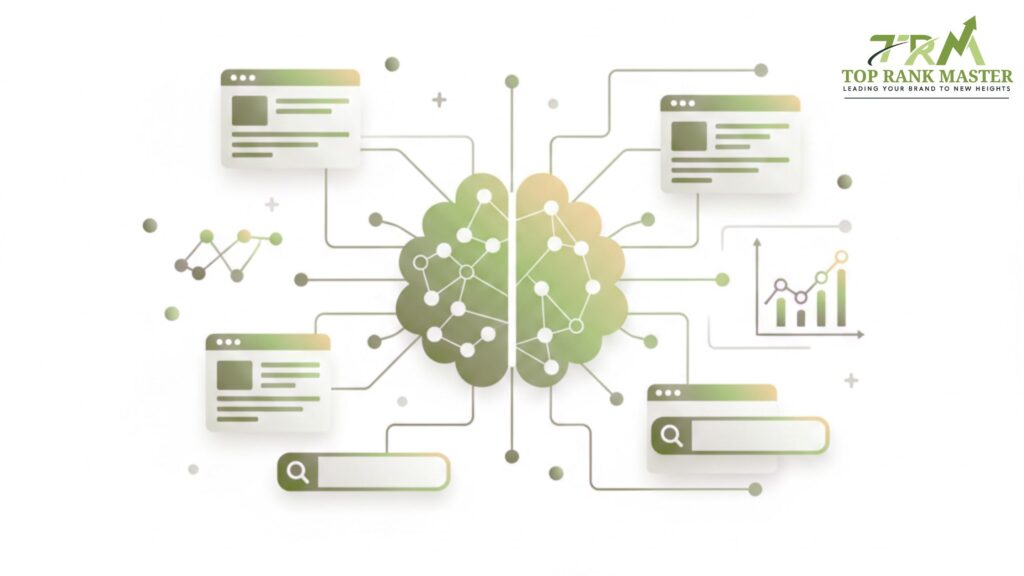
AI search engines rely on technologies like natural language processing, machine learning, and semantic analysis to evaluate web pages.
What AI Looks for in Content
AI systems analyze:
- Topic relevance and depth
- User intent satisfaction
- Content clarity and structure
- Engagement signals such as time spent on page
- Content credibility and trust
Instead of matching exact phrases, AI evaluates whether the content fully answers a user’s question.
Write Content Based on Search Intent
Understanding search intent is essential for AI optimization.
Types of User Intent
- Informational: users want knowledge or explanations
- Navigational: users want to reach a specific platform or brand
- Transactional: users want to take action or make a decision
Your content should clearly focus on the intent behind the search and guide users toward meaningful answers.
Use Natural Language and Topic-Based Keywords
AI search engines prefer content that sounds natural and conversational.
Why Topic Coverage Matters More Than Keywords
Rather than repeating keywords, focus on:
- Related terms and phrases
- Contextual language
- Long-tail queries
- Commonly asked questions
This approach helps AI understand the topic without forcing unnatural keyword placement.
Structure Content for Better Readability
Clear structure improves both user experience and AI comprehension.
Content Structuring Best Practices
- One clear H1 for the main topic
- H2 sections for key ideas
- H3 subheadings for details
- Short paragraphs
- Bulleted lists where helpful
Well-organized content is easier for AI systems to scan and rank.
Focus on Semantic SEO and Context
Semantic SEO helps AI understand what your content means, not just what words it contains.
How Semantic Optimization Helps
- Covers the topic in depth
- Answers related subtopics
- Uses natural phrasing
- Connects ideas logically
This is why many businesses partner with a Best AI SEO Agency to align their content strategy with how AI systems interpret information.
Create Helpful and Trustworthy Content
AI search engines favor content that demonstrates reliability and value.
How to Build Content Trust
- Share accurate, up-to-date information
- Avoid exaggerated or misleading claims
- Explain concepts clearly
- Focus on solving real problems
Content that genuinely helps users tends to perform better over time.
Optimize for Voice and Conversational Search
AI-powered assistants rely on conversational language.
Tips for Voice Search Optimization
- Use simple and direct sentences
- Include question-style headings
- Answer questions clearly
- Write in a natural speaking tone
This helps content appear in voice-based and AI-driven results.
Use AI Tools Carefully in Content Creation
AI tools can support content creation when used responsibly.
Balanced Use of AI in SEO
When applied thoughtfully, generative ai seo strategies can assist with research, outlining, and content refinement. However, human editing remains essential to maintain originality, accuracy, and emotional connection.
Improve User Experience Signals
User behavior helps AI determine content quality.
Key UX Elements to Optimize
- Fast loading speed
- Mobile-friendly layout
- Clear navigation
- Clean and readable design
Positive user engagement signals strengthen content performance.
Keep Content Updated Over Time
AI systems value freshness and relevance.
How to Maintain Content Quality
- Update outdated information
- Add new insights when needed
- Improve clarity and structure over time
- Remove irrelevant sections
Consistent updates help content stay competitive.
Ready to Rank Higher in ChatGPT Search Results?
AI search is evolving fast, and ranking in platforms like ChatGPT requires more than traditional SEO tactics. If you want your content to be discovered, trusted, and referenced by AI systems in 2026 and beyond, the right strategy matters.
Explore our complete guide on How to Rank Higher in ChatGPT Search Results: A Simple Guide for 2026 and learn practical, future-ready steps to optimize your content for AI-driven visibility.
Frequently Asked Questions (FAQs)

I am Harjinder Singh, Founder & Coach at Top Rank Master with 11+ years of digital marketing experience. I have worked with leading agencies and helped scale multiple brands through SEO, PPC, and performance marketing.
I run Top Rank Master, where I train students and professionals through practical, industry-focused coaching with 100% placement support. I am passionate about helping college students start strong careers and guiding agencies to achieve measurable growth.
Let’s connect if you want to learn digital marketing or grow your business.